 EN
EN
 AR
AR
 NL
NL
 FR
FR
 DE
DE
 EL
EL
 IT
IT
 JA
JA
 KO
KO
 PT
PT
 RU
RU
 ES
ES
 SV
SV
 TL
TL
 IW
IW
 ID
ID
 VI
VI
 TH
TH
 TR
TR
 MS
MS


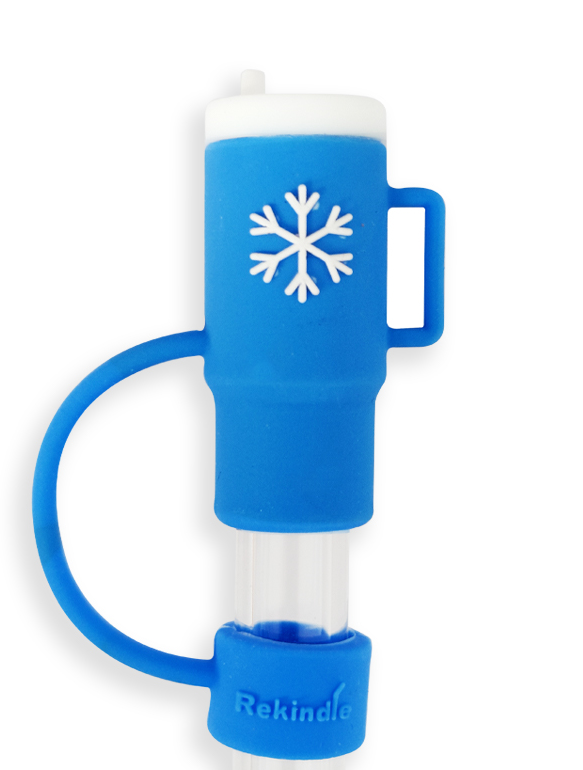
The Benefits of Using a Straw Cover
Straw covers play a crucial role in maintaining hygiene, especially in public settings where the risk of contamination is high. These covers prevent the entry of dust, bacteria, and other contaminants into drinks, serving as a barrier against pollutants. This simple yet effective tool helps ensure that beverages remain clean and safe to consume, reducing the potential for illness caused by contaminated drinks.
In addition to enhancing hygiene, straw covers contribute significantly to the longevity of straws by protecting them from wear and tear. By shielding the straw from external factors that cause damage, such as exposure to liquids or accidental bending, straw covers can prolong the usability of a straw by up to 30%. This increased durability translates to cost savings in the long run, as it reduces the frequency of replacing straws, making them a practical choice for both individuals and businesses.
Straw covers also have a positive environmental impact, particularly when made from biodegradable materials. This aspect is vital in reducing plastic waste and addressing the larger issue of environmental conservation. By opting for straw covers that decompose naturally, users contribute to a decrease in harmful plastic pollution. These covers offer a sustainable alternative to single-use straws and align with global efforts to reduce plastic usage and its impact on marine and terrestrial ecosystems.
Comparing Straw Covers to Other Straw Toppers
Straw Covers vs. Personalized Straw Toppers
Straw covers provide unmatched hygiene compared to personalized straw toppers. While straw toppers can add a unique aesthetic touch, they often harbor bacteria if not cleaned regularly. Straw covers, on the other hand, are specifically designed to prevent the entry of dust and bacteria, making them a more suitable choice for health-conscious consumers. Unlike the more decorative personalized toppers, straw covers focus on practical protection, ensuring the cleanliness of the straw is maintained.
Glass Straws with Silicone Tips vs. Straw Covers
Glass straws with silicone tips offer a pleasant sipping experience and are popular for their sleek design. However, they fall short when it comes to hygiene compared to straw covers. Glass straws often expose drinkers to potential contamination without a covering. Despite their durability, the inclusion of a straw cover offers enhanced protection, making cleaning easier and further preventing breakage. In comparison, straw covers provide a more thorough safeguard by encasing the straw completely, thus serving both protective and practical needs.
Stainless Steel Straw Brush vs. Straw Covers
A stainless steel straw brush is essential for cleaning the interior of reusable straws, effectively removing residues that might accumulate inside. In contrast, straw covers act as a barrier against external contaminants, thereby ensuring continuous protection of the straw. Both tools are integral to straw maintenance, complementing each other to achieve optimal hygiene. Using them in combination ensures comprehensive care for both the inside and outside of reusable straws, underlining the importance of a holistic approach to straw hygiene.
Practical Uses of Straw Covers
Straw Covers for Home Use
Straw covers are an excellent addition to households, especially those with children, as they facilitate the easy storage and protection of straws. These covers provide a practical solution for keeping straws clean and readily available, ensuring that families can enjoy beverages without concern about contamination. Moreover, by incorporating straw covers, households can play a significant role in reducing plastic waste. Encouraging kids to use reusable straws with covers not only promotes environmental sustainability but also instills responsible consumer habits at a young age, making it an ideal choice for eco-conscious families.
Straw Covers in Restaurants and Cafes
In the food service industry, restaurants and cafes can significantly enhance the customer experience by utilizing straw covers to ensure hygiene and cleanliness. Straw covers protect the straw from dust and dirt, demonstrating the establishment's commitment to offering a superior level of service. Additionally, the adoption of straw covers reflects a strong commitment to sustainability. By using these eco-friendly tools, dining establishments can align themselves with green practices, thus attracting environmentally conscious customers who appreciate efforts to minimize environmental impact.
Straw Covers for Outdoor Activities
Straw covers are indispensable accessories for those engaging in outdoor activities as they offer protection against environmental contaminants like dirt and sand. Whether you are planning a picnic, going camping, or enjoying a day at the beach, straw covers ensure that your straws remain hygienic, providing a pleasant drinking experience. Their portability and lightweight design make them easy to carry along, making straw covers a practical choice for outdoor enthusiasts who prioritize convenience and cleanliness in their adventures.
How to Choose the Right Straw Cover
Material Considerations for Straw Covers
When selecting straw covers, material plays a crucial role. Silicone is often preferred due to its durability and ease of cleaning. This material is not only flexible but also withstands high temperatures, making it dishwasher safe. Additionally, silicone straw covers are appealing to eco-conscious consumers, especially when made from recycled products. Over time, opting for such sustainable materials contributes to reducing plastic waste significantly.
Size and Fit: Ensuring Compatibility
Ensuring a proper fit is critical when choosing straw covers. It's essential to measure the diameter of your straws before purchasing to avoid compatibility issues. Some brands now offer adjustable or flexible straw covers that accommodate a variety of straw sizes. These adaptable covers are perfect for households that use different types of straws, including glass straws with silicone tips and metal alternatives.
Eco-Friendly Options for Straw Covers
Choosing eco-friendly straw covers made from sustainable or biodegradable materials is vital for reducing carbon footprints. Many covers are now available with certifications such as BPA-free or food-grade silicone, ensuring safety for repeated use. These options not only support an eco-friendly lifestyle but also provide a chance to share your commitment to sustainability with others. Such choices are increasingly popular, aligning with the growing demand for personalized straw topper options in various settings.
Maintaining and Cleaning Straw Covers
Cleaning Tips for Long-Lasting Straw Covers
To ensure the longevity of your straw covers, regular cleaning is essential. Using mild detergents with warm water helps prevent microbial growth, keeping the covers hygienic. It's crucial to thoroughly rinse and air dry them after washing to remove soap residues which might compromise microbial barriers. Certain materials allow for dishwasher cleaning, simplifying the process for busy schedules and providing efficient cleansing without manual effort.
Storage Solutions for Straw Covers
Proper storage of straw covers is vital for maintaining their condition and hygiene. Designated containers or pouches are ideal for keeping covers clean and free from dust. These solutions also prevent them from being crushed or damaged when not in use. When selecting storage tools, consider compact designs that can seamlessly fit into bags or kitchen drawers, ensuring they don’t take up excessive space.
When to Replace Your Straw Cover
Knowing when to replace your straw cover is crucial to ensuring effective use and maintaining hygiene standards. Look for visible signs of wear, such as cracks, tears, or alterations in color or texture. If persistent odors remain despite thorough cleaning, it may indicate the onset of mold or bacterial growth, suggesting immediate replacement. Regular inspections will ensure the covers remain safe and effective for repeated use.

