 EN
EN

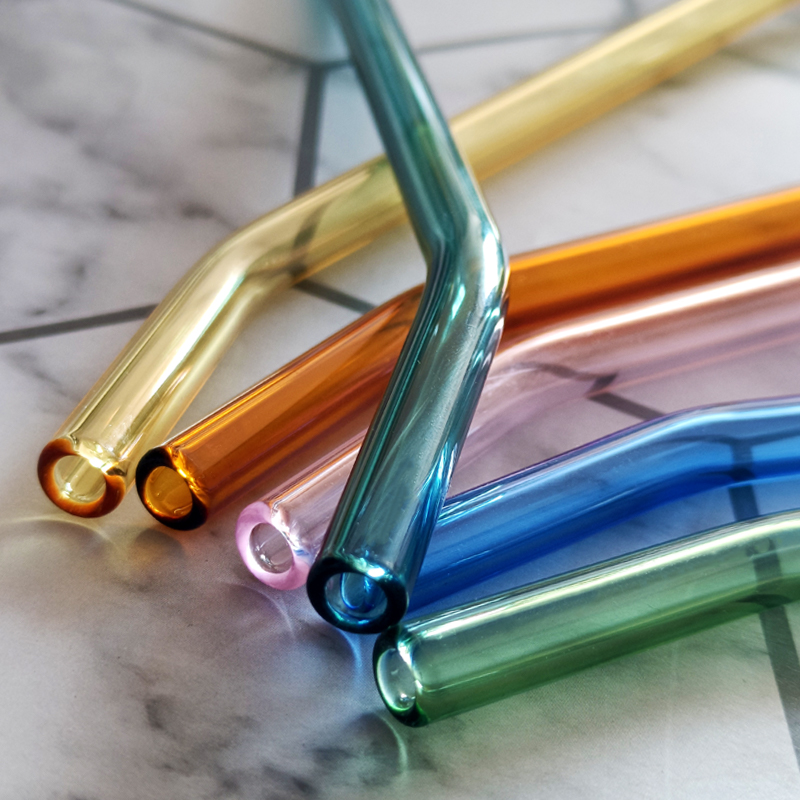
The Environmental Impact of Plastic Straws and the Rise of Glass Alternatives
The Problem with Single-Use Plastics
In our growing consumer society, single-use plastics pervade our daily lives—from water bottles to straws. This has created a massive environmental challenge, as noted by Ocean Conservancy, with more than 8 million metric tons of plastic entering our oceans each year. These plastics not only mar marine ecosystems, but they also contribute significantly to landfill buildup. Once disposed of, single-use plastics can take hundreds of years to decompose, contrasting sharply with natural materials that break down relatively quickly without harm to the environment. Glass, as an alternative, emerges as a sustainable solution. Its ability to be recycled indefinitely without quality loss makes it a remarkable contender against the ever-increasing plastic waste problem.
How Regulations Are Driving Demand for Reusable Options
Recent times have witnessed a shift in regulatory measures across various jurisdictions aiming to tackle the burgeoning plastic waste issue. Cities like San Francisco and Seattle have paved the way with comprehensive bans on plastic straws, enforcing the need for sustainable alternatives. These legislative changes have been instrumental in driving consumer behavior towards eco-friendly products, including reusable borosilicate glass drinking straws. The market demand is swiftly rising as these regulations push businesses and consumers to seek alternatives that not only comply with the law but also support environmental well-being. The popularity of reusable options continues to grow, making them a viable solution to curb plastic waste.
Borosilicate Glass: A Durable and Eco-Friendly Solution
Borosilicate glass stands out as a leading material in the fight against single-use plastic straws. Known for its excellent durability, this type of glass is resistant to thermal shock and breakage, making it ideal for repetitive usage. Unlike some other materials, it can handle both hot and cold beverages without imparting any unwanted flavors. Its market appeal continues to expand, with glass straw manufacturers like Simply Straws and Strawesome specializing in producing stylish and sustainable drinking solutions. These brands cater to an environmentally conscious audience, contributing further to the replacement of plastic straws with robust, eco-friendly glass alternatives.## Health Benefits of Glass Drinking Straws
Non-Toxic Materials: Avoiding BPA and PFAS
When it comes to our health, avoiding toxic substances like BPA and PFAS is crucial. These chemicals, commonly found in many plastic products, have been linked to numerous health issues, including hormonal disruption and even cancer, as highlighted by several health organizations. Glass drinking straws provide a safer alternative being free from these toxic compounds. Unlike their plastic counterparts, glass straws are made from non-toxic materials that do not leach harmful chemicals, ensuring that your beverages remain uncontaminated.
Preserving Beverage Taste and Clarity
Glass drinking straws excel in preserving the natural taste and clarity of beverages, unlike plastic straws, which can sometimes taint flavors and introduce unwanted odors. This aspect is vital for those who appreciate the unaltered taste of their drinks, from refreshing lemonades to sophisticated cocktails. According to customer satisfaction surveys, many consumers have reported a superior sensory experience when using glass straws. They noted a complete sense of purity and enjoyment without the interference of any chemical aftertaste, which is often a concern with plastic alternatives.
Hygiene Advantages Over Porous Materials
In terms of hygiene, glass straws have a distinct advantage over other reusable straws made from materials like bamboo or silicone, which can be porous and difficult to clean thoroughly. Glass, by contrast, is non-porous, ensuring that it doesn’t harbor bacteria or mold—a critical consideration emphasized by health authorities regarding straw maintenance and hygiene. These regulatory bodies recommend non-porous materials for food and beverage consumption tools because they are easier to clean and can be thoroughly sanitized, making glass straws not only a safer but also a more practical choice for everyday use.## Glass Straws vs. Other Materials: Metal, Silicone, and Paper
Metal Straws: Thermal Conductivity and Taste Concerns
Metal straws, while popular for their durability, present some drawbacks due to their thermal conductivity. When used with hot beverages, metal straws can rapidly conduct heat, potentially causing discomfort or burns. Many users have also reported taste alterations, with metals sometimes imparting a metallic flavor to drinks, which can detract from the overall experience. Comparing glass to metal, glass straws retain the natural taste of the beverage without any added metallic aftertaste, making them a preferred choice for those sensitive to such changes.
Silicone-Tipped Options: Balancing Flexibility and Safety
Silicone-tipped straws provide the flexibility that many users find appealing, especially for children who require safer options. However, there are concerns about their durability and potential for harboring bacteria within the flexible material. Glass straws with silicone tips strike a balance, offering the sturdiness of glass while ensuring the safety of flexible silicone tips, especially for younger users. This combination allows for an enjoyable drinking experience without compromising on safety or durability.
Why Paper Straws Fail Functionally and Environmentally
Paper straws, often seen as a quick fix for environmental concerns, fall short functionally and environmentally. They tend to degrade quickly in liquids, leading to user dissatisfaction. Furthermore, studies have shown that paper straws contribute to deforestation, undermining their image as a sustainable alternative. The shift toward reusable options like glass straws is increasing, as they do not face these issues and thus align better with both functionality and environmental sustainability.## Safety and Accessibility: Why Glass Straws Are a Superior Choice
Reducing Choking Hazards for Children
Glass straws offer a safer alternative to traditional straws in terms of reducing choking hazards for children. Conventional plastic or metal straws can present risks due to their small size or sharp ends. Glass straws, however, are typically designed with more considerable diameter options and rounded edges, minimizing these risks. According to child safety experts, the visibility and rigidity of glass straws provide clear advantages, reducing the odds of accidental ingestion and ensuring a safer drinking experience for young users. This focus on minimizing choking hazards is an essential consideration for parents prioritizing their children’s safety.
Accessibility Considerations for Disabled Users
For individuals with certain disabilities, accessibility in everyday items like drinking straws can significantly impact their user experience. Glass straws, particularly those that are bent, serve as an ideal choice due to their rigidity and ease of handling. The solid structure of glass straws offers stability for users who may struggle with more flexible materials, allowing for a more controlled and effortless drinking process. Many users with disabilities have shared their positive experiences, expressing how glass straws have improved their daily routines by providing a reliable and straightforward option that enhances their independence and comfort.
Thermal Resistance: Safe for Hot and Cold Drinks
One of the standout features of borosilicate glass straws is their impressive thermal resistance, making them safe for both hot and cold beverages. Unlike plastic straws that may begin to warp under heat or metal straws that conduct temperature too efficiently, glass straws maintain their form regardless of the drink's temperature. This resilience against melting or deformation when exposed to hot drinks highlights their superiority in usability compared to other materials. Studies affirm that borosilicate glass can withstand thermal stress, ensuring that your glass straw remains intact and your beverage's taste unaffected, even if you switch from a hot latte to an iced smoothie.## Caring for Your Glass Straws: Hygiene and Longevity
Proper Cleaning Techniques to Prevent Residue
Maintaining cleanliness in glass straws is vital for hygiene and optimal straw use. To prevent residue build-up, I recommend using a few effective cleaning techniques with items you likely have at home. A common approach involves flushing the straw immediately after use with warm water to dislodge any particles. Adding baking soda to a thin brush can further enhance residue removal. Specialized straw brushes are particularly efficient for reaching inside the straw's narrow confines, ensuring a thorough clean. Additionally, most glass straws are dishwasher-safe, making them convenient to sanitize with your regular dishwashing routine.
Storage Solutions to Avoid Breakage
Proper storage solutions are crucial to extend the lifespan of glass straws. To prevent breakage, consider using protective cases or organizers, designed to cushion the straws and keep them from rattling against other utensils. These storage options can be kept in your kitchen drawers or carried in bags if traveling. Some manufacturers suggest using compartments in cutlery racks for everyday use, which segregate each straw to reduce impact risk. These simple storage practices can help avoid unfortunate accidents and ensure the long-term durability of your glass drinking straws.
When to Replace Your Glass Straw
Recognizing when it's time to replace your glass straw can save you from using a potentially compromised product. Generally, a glass straw doesn't require frequent replacement, but look for signs like small chips, cracks, or cloudiness that may indicate wear. Compared to metal or bamboo options, glass offers clearer visibility to monitor any wear and tear. Despite being fragile, when handled with care, glass straws can surpass other materials in longevity—offering not just environmental benefits but economic savings over time by reducing the need for frequent replacements.
Table of Contents
-
The Environmental Impact of Plastic Straws and the Rise of Glass Alternatives
- The Problem with Single-Use Plastics
- How Regulations Are Driving Demand for Reusable Options
- Borosilicate Glass: A Durable and Eco-Friendly Solution
- Non-Toxic Materials: Avoiding BPA and PFAS
- Preserving Beverage Taste and Clarity
- Hygiene Advantages Over Porous Materials
- Metal Straws: Thermal Conductivity and Taste Concerns
- Silicone-Tipped Options: Balancing Flexibility and Safety
- Why Paper Straws Fail Functionally and Environmentally
- Reducing Choking Hazards for Children
- Accessibility Considerations for Disabled Users
- Thermal Resistance: Safe for Hot and Cold Drinks
- Proper Cleaning Techniques to Prevent Residue
- Storage Solutions to Avoid Breakage
- When to Replace Your Glass Straw

