 EN
EN

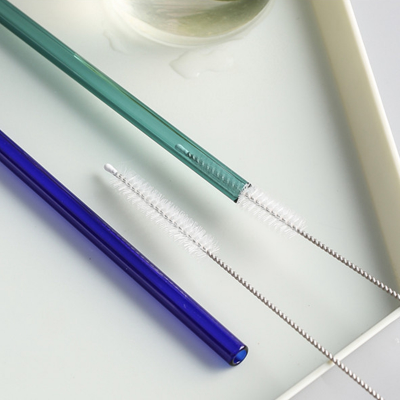
In recent years, the trend towards sustainable living has led to a significant increase in the use of glass straws. They are an eco-friendly alternative to single - use plastic straws, which have a devastating impact on our environment. However, like any other reusable item, glass straws require proper maintenance to ensure their longevity and hygiene. One of the most debated questions in the world of glass straws is: do you need a straw brush to maintain them properly? In this blog post, we will explore this question in detail, along with other aspects of maintaining glass straws.
The Importance of Cleaning Glass Straws
Glass straws, while a great choice for the environment, can quickly become a breeding ground for bacteria and mold if not cleaned properly. Every time we use a straw, small particles of food, beverage, and saliva can get trapped inside. These residues can decompose over time, leading to an unpleasant smell and potentially harmful bacteria growth. For example, if you use a glass straw to drink smoothies or milkshakes, the thick consistency of these beverages can stick to the inside of the straw, making it even more crucial to clean it thoroughly. Regular cleaning not only ensures that your glass straws are safe to use but also extends their lifespan, saving you money in the long run.
Why a Straw Brush is Essential
Thorough Cleaning
A straw brush is specifically designed to reach the narrow and often hard - to - access interior of a glass straw. The bristles of a good quality straw brush can effectively scrub away stubborn residues that simple rinsing with water cannot remove. Whether it's the sticky residue from a sugary drink or the buildup from repeated use, a straw brush can get into every nook and cranny. For instance, a stainless - steel straw brush with soft but firm bristles can easily clean the inside of a standard - sized glass straw, ensuring that no residue is left behind.
Hygiene
Using a straw brush is a key factor in maintaining the hygiene of your glass straws. By removing bacteria - causing residues, you reduce the risk of ingesting harmful microorganisms. This is especially important for those with weakened immune systems or those who are particularly sensitive to germs. Regularly using a straw brush as part of your cleaning routine can help keep your glass straws as clean as new, providing you with a hygienic drinking experience every time.
Efficiency
Cleaning glass straws with a straw brush is a much more efficient process compared to other methods. Instead of spending a long time trying to rinse out the straw or using improvised tools that may not be as effective, a straw brush allows you to quickly and easily clean the straw in a matter of minutes. You can simply insert the brush into the straw, apply a small amount of dish soap, and scrub away the dirt. This efficiency is a major advantage, especially for those with busy lifestyles.
How to Choose the Right Straw Brush
Bristle Material
The material of the bristles is an important consideration when choosing a straw brush. Nylon bristles are a popular choice as they are strong enough to remove tough residues but are also gentle on the glass surface, reducing the risk of scratching. Stainless - steel bristles are another option, known for their durability and ability to clean thoroughly. However, they need to be used with care as they can potentially scratch the glass if used too forcefully. Coconut fiber bristles are a more natural alternative, and they are biodegradable, making them a great choice for those who are environmentally conscious.
Brush Size
The size of the brush should be appropriate for the diameter of your glass straws. If the brush is too small, it may not be able to clean the entire inner surface effectively. On the other hand, if it's too large, it may not fit inside the straw at all. For standard - sized glass straws, a brush with a diameter of around 6 - 8 mm is usually ideal. However, if you have wider or narrower straws, you'll need to find a brush that matches their dimensions.
Handle Design
A comfortable and easy - to - grip handle is essential for effective cleaning. Some straw brushes come with long, ergonomic handles that make it easier to reach the bottom of longer straws. Others may have a shorter, more compact handle for those who prefer a more lightweight and portable option. Additionally, a handle with a non - slip surface can prevent the brush from slipping out of your hand while you're cleaning, especially when it's wet.
Other Maintenance Tips for Glass Straws
Hand Washing
While some people may be tempted to throw their glass straws in the dishwasher, it's generally recommended to hand wash them. The high heat and strong detergents in a dishwasher can potentially damage the glass over time. Hand washing also allows you to inspect the straw more closely for any signs of cracks or chips. To hand wash your glass straws, simply fill a sink or basin with warm water and a small amount of mild dish soap. Soak the straws for a few minutes, then use your straw brush to scrub the inside and outside thoroughly. Rinse well with clean water and let them air dry.
Soaking in Vinegar
If your glass straws start to look cloudy or have a buildup of mineral deposits from hard water, soaking them in distilled white vinegar can be a great solution. Vinegar is a natural cleaner that can dissolve these deposits and restore the clarity of the glass. Simply fill a container with equal parts vinegar and water, submerge the straws, and let them soak for 15 - 30 minutes. After soaking, use your straw brush to gently scrub away any remaining residue, then rinse the straws thoroughly with water.
Storage
Proper storage of glass straws is also important for their maintenance. Avoid storing them in a damp or dirty environment, as this can lead to the growth of mold and bacteria. Instead, store them in a clean, dry place, such as a straw holder or a dedicated utensil drawer. You can also use a straw case or pouch when you're on the go to protect them from damage and keep them clean.
Industry Trends in Glass Straw Maintenance
In recent times, there has been a growing trend towards more sustainable and eco - friendly cleaning products. This has led to the development of new types of straw brushes made from biodegradable materials, such as bamboo or recycled plastic. Additionally, there is an increasing focus on creating more efficient cleaning solutions that require less water and energy. For example, some companies are now producing self - cleaning glass straws that use ultrasonic technology or special coatings to keep the straw clean without the need for manual scrubbing. However, these high - tech options are still relatively expensive compared to traditional glass straws and brushes. As the demand for sustainable products continues to grow, we can expect to see more innovation in the field of glass straw maintenance, making it even easier for consumers to choose eco - friendly options.

