 EN
EN

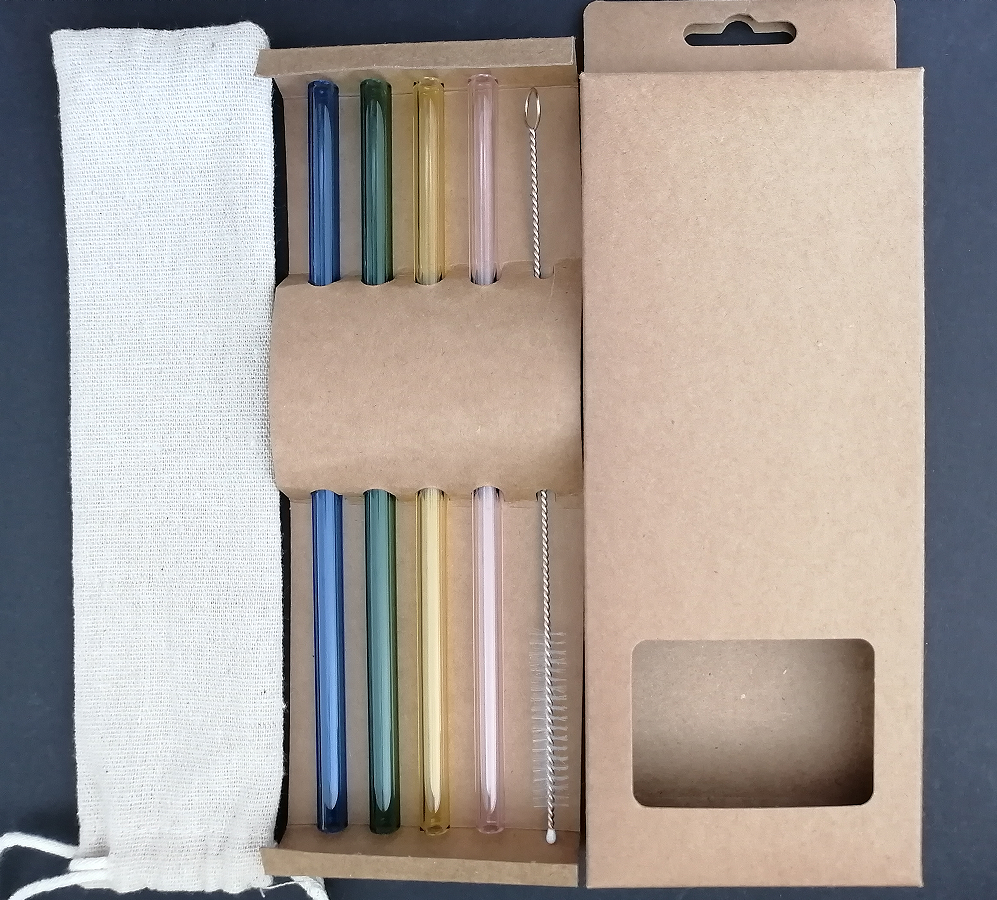
Why Glass Straws? Unveiling the Key Benefits
Environmental Impact: Beyond Plastic Waste
Plastic pollution is a critical environmental issue, with billions of plastic straws discarded every day, contributing significantly to marine pollution. According to estimates, approximately 8 million metric tons of plastic end up in the ocean annually, threatening marine life and ecosystems. Glass straws offer a solution by serving as reusable alternatives to single-use plastic, helping reduce this waste. Using glass straws not only decreases landfill waste but also mitigates ocean debris, making them an environmentally sustainable choice. Moreover, glass straws are preferable for their biodegradability, unlike plastics that persist in the environment for centuries. By choosing glass straws, we actively contribute to a cleaner planet and a reduction in plastic pollution.
Health and Safety Advantages Over Other Materials
Borosilicate glass drinking straws stand out for their health benefits, being non-toxic and free from harmful chemicals. Unlike plastic straws, which may leach chemicals into beverages, glass straws do not pose such risks. They meet FDA safety regulations and are deemed safe for food and drinks. Furthermore, glass straws are easy to clean, preventing the buildup of bacteria and mold. They contain neither BPA nor phthalates, which are common in plastic and sometimes in metal straws, making glass a safer alternative. Users can rest assured that glass straws offer a pristine, safe drinking experience, reducing exposure to potential health hazards found in other materials.
Taste Preservation and Visual Appeal
Glass straws offer superior taste preservation by not imparting any flavors or odors to drinks, thus maintaining the true essence of the beverage. Studies show that consumers prefer beverages consumed through clear straws rather than opaque ones, as the transparency enhances the drinking experience. Visual appeal is another advantage of glass straws; their sleek, clear design not only complements but elevates the presentation of any drink, adding a touch of elegance. Testimonials highlight the preference for glass straws due to these attributes, underscoring their superiority in both function and aesthetics. Enjoying drinks with glass straws ensures that flavor is preserved while enhancing the overall sensory experience.
Glass vs. Metal Straws: A Detailed Comparison
Durability and Break Resistance Face-Off
When it comes to durability, borosilicate glass straws are often considered a strong contender. They are engineered to withstand thermal shock better than ordinary glass, making them less susceptible to breakage when exposed to temperature changes. Studies suggest that the breakage rate of glass straws is competitive with metal straws, although user anecdotes often highlight glass's ability to remain unscathed from dents and scratches, which metal cannot necessarily boast. Many users find that their glass straws last longer than expected, resisting everyday wear and tear, thus supporting their reputation as break-resistant options. Glass offers an aesthetically appealing yet strong choice for those concerned about durability.
Temperature Impact on Your Drinking Experience
Glass straws excel in maintaining the temperature of beverages, providing a more enjoyable drinking experience whether the drink is hot or cold. Unlike metal straws, which can conduct heat and imbue beverages with a metallic taste, glass straws offer a neutral pathway that doesn't alter the flavor. This characteristic is especially beneficial in cafes or homes, where the integrity of a drink's taste is paramount. Studies indicate that consumers often prefer glass straws for their temperature retention abilities, finding that they enhance the overall drinking experience. Thus, glass straws represent an optimal choice for those who prioritize their beverage's authentic taste and temperature consistency.
Long-Term Sustainability Analysis
From a sustainability perspective, glass straws have a compelling advantage. Life cycle assessments often show that while both glass and metal straws offer reusable options superior to plastic, glass adds an element of recyclability that is not always as straightforward with metals. Glass straws can be recycled easily without quality loss, whereas metal requires more energy-intensive processes. Furthermore, organizations promoting eco-friendly practices frequently highlight glass for its minimal environmental impact during production and end-of-life disposal stages. This makes glass straws an attractive option for consumers committed to sustainable living, as they generate less waste over the long term compared to their metal counterparts.
Features of Quality Glass Straw Sets
Borosilicate Glass Construction Explained
Borosilicate glass is a premier choice for crafting drinking straws due to its exceptional properties. Defined by its high thermal resistance, clarity, and light weight, borosilicate glass makes for durable and aesthetically pleasing drinking straws. The manufacturing process revolves around precision to ensure each straw's strength, enhancing its longevity and break resistance. Industry standards emphasize borosilicate as a preferred material for glass straw production, and this is backed by expert opinions from glass manufacturers. They vouch for borosilicate's superiority in withstanding temperature fluctuations without compromising structural integrity. Thus, borosilicate glass drinking straws are not only practical but also an elegant solution for conscious consumers seeking durable straws.
Silicone Tips and Toppers: Comfort Meets Safety
Silicone tips are integral to enhancing the comfort and safety features of glass straws, particularly for individuals with sensitive teeth. These tips provide a soft interface that eases the drinking process, preventing any harsh contact. Furthermore, silicone toppers serve a crucial safety role in terms of breakage prevention, ensuring both the user and the straw remain unharmed. Available in a spectrum of colors and designs, they offer a customizable drinking experience, catering to user preferences. Consumer feedback consistently highlights the positive impact of silicone additions, with many users appreciating the blend of comfort and added safety while using glass straws. These features make silicone-enhanced glass straws a popular choice among safety-conscious consumers.
Length Variations for Different Beverage Needs
Designing glass straws in various lengths allows for a tailored drinking experience across different beverage types. Standard lengths typically range to accommodate a wide variety of drinkware, from short tumblers to tall glasses, ideal for specialty drinks like smoothies or bubble teas. Longer straws offer distinct advantages in tall glasses or larger beverage containers, providing seamless drinking functionality. Customer preferences for straw lengths often hinge on usage scenarios, reflecting evolving trends in beverage consumption. Beverage experts advocate for optimal straw length based on drink consistency, highlighting the strategic importance of length variations in both functionality and user satisfaction. This versatility ensures that glass straws meet diverse sipping needs without compromising on ease of use.
Maximizing Your Glass Straw Investment
Proper Cleaning and Maintenance Guidelines
Proper cleaning and maintenance are key to maximizing your investment in glass straws. Hand washing each straw with warm, soapy water is recommended, followed by rinsing thoroughly. For convenience, these straws are often dishwasher safe, offering an alternative cleaning method. To achieve a deeper clean, specialized cleaning brushes are invaluable, reaching every corner to remove residues. Statistics show that improperly maintained drinking utensils can harbor bacteria, thus emphasizing the importance of regular cleaning. Experts suggest that maintaining your reusable glass drinking straws not only prolongs their lifespan but also ensures a hygienic drinking experience.
Storage Solutions for Longevity
Storing glass straws correctly is crucial to avoid damage. The best practice is to use dedicated holders or canisters that provide protection from accidental breakage and scratches. Stylish options are available, ranging from sleek cases to decorative canisters that encourage frequent use and add an aesthetic touch to your kitchen. It's important to place your straws away from heavy or sharp objects that might compromise their integrity. Consumer feedback has highlighted glass straw storage solutions that enhance durability while maintaining usability. This thoughtful approach to storage will significantly increase the glass straws' longevity.
Creative Uses Beyond Beverages
Glass straws offer versatile applications beyond drinking, tapping into creative avenues such as crafting and DIY projects. Their elegant structure can enhance flower arrangements, adding a modern twist to traditional decor. They have been used innovatively in artistic installations and are trending across social media platforms for such purposes. Influencers have popularized these straws by creatively repurposing them, leveraging their aesthetic appeal in various creative engagements. From workshops to online tutorials, the ideas are endless, encouraging the rise of glass straws beyond conventional use.

