 EN
EN

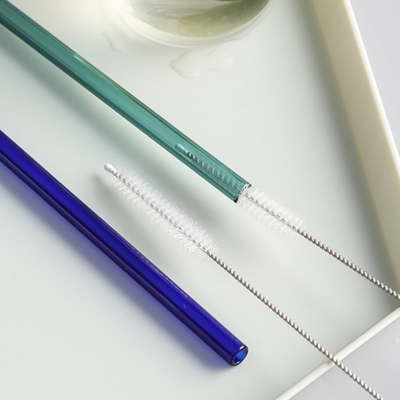
The Critical Link Between Straw Cleaning and Hygiene
Risks of Bacterial Buildup in Reusable Straws
Moist environments can foster the growth of various bacteria, which pose a significant risk in reusable straws. According to research, Escherichia coli and Staphylococcus aureus are among the predominant bacteria that thrive in such conditions. A study published in the Journal of Food Protection found that improperly cleaned reusable straws could have bacterial contamination rates as high as 30%. This bacterial buildup isn't just a cleanliness issue—it can lead to severe health problems, including gastrointestinal infections. Ensuring thorough and frequent cleaning of reusable straws is critical to safeguarding health and preventing these bacteria from flourishing.
Why Proper Cleaning Prevents Mold and Odors
Mold and unpleasant odors in reusable straws often result from moisture and improper cleaning. Mold thrives in warm, moist environments, conditions easily met inside straws if they aren't cleaned and dried thoroughly. By using proper cleaning agents like baking soda or vinegar, one can effectively remove mold and lingering odors. Implementing regular cleaning intervals not only helps in maintaining hygiene but also keeps beverages tasting fresh. Regular cleaning is essential for preserving the integrity and taste of your drink, ensuring your reusable straws remain odor-free.
Hygiene Advantages Over Single-Use Alternatives
Reusable straws offer an environmentally friendly and hygienic alternative to single-use options. Single-use straws contribute significantly to plastic waste; for example, the UK reports discarding around 4.7 billion plastic straws annually. From a cost perspective, investing in reusable straws can be more economical over time; a single reusable straw can replace hundreds of plastic ones. When cleaned correctly, reusable straws also maintain higher hygiene standards, reducing the risk of contamination and offering a safe drinking experience compared to single-use straws. By choosing reusable over disposable, we're not only supporting sustainability but also optimizing our health practices.
Borosilicate glass drinking straw maintenance
Borosilicate glass drinking straws are renowned for their durability and thermal resistance, making them a preferred choice for many. These straws withstand high temperatures without breaking, which is particularly beneficial for hot beverages. However, cleaning challenges arise because their delicate surface can easily be scratched if harsh cleaning methods are used. To maintain the integrity of borosilicate glass straws, I suggest using soft nylon brushes or mild cleaning solutions that protect the surface. Expert endorsements highlight the benefits of using borosilicate glass, emphasizing its advantage in minimizing bacterial buildup due to its non-porous nature, thereby supporting health and hygiene. Proper care ensures these straws remain safe and functional while allowing users to enjoy their durability.
Stainless steel vs silicone vs bamboo straw care
Each type of reusable straw—stainless steel, silicone, and bamboo—poses unique cleaning challenges. Stainless steel straws, while durable and resistant to corrosion, can accumulate residue from thicker drinks like smoothies. Silicone straws, appreciated for their flexibility and softness, can trap particles that necessitate regular cleaning to avoid bacterial growth. Bamboo straws, made from natural materials, retain moisture, increasing the risk of mold if not dried thoroughly. For each material, specific care requirements must be followed: avoid abrasive cleaning tools for stainless steel, use gentle brushes for silicone, and ensure bamboo is thoroughly dried after cleaning. User experiences attest to the longevity and cleanliness profiles of each type, underscoring the importance of tailored care.
Special considerations for glass straws with silicone tips
Glass straws with silicone tips combine user comfort and safety, particularly preventing discomfort during drinking. Silicone tips protect lips from the hard glass while also providing a non-slip grip for enhanced usability. However, cleaning requires special techniques to maintain the tips' condition and ensure hygiene. It's essential to gently clean the silicone tips to prevent wear; using mild soap and soft brushes is recommended to avoid damaging the silicone. Residue buildup can occur within the tips, leading to an unpleasant drinking experience if not addressed. To mitigate this risk, I suggest regularly inspecting the tips and using appropriate cleaning tools to remove any trapped debris, ensuring the cleanliness and longevity of both the glass and silicone elements.
Choosing the Right Straw Brush for Hygiene
Nylon Bristle Brushes for Glass and Silicone Straws
Nylon bristle brushes are an excellent choice for cleaning both glass and silicone straws because of their ability to reach corners and crevices effectively. These brushes are gentle yet resilient, making them suitable for removing debris without scratching the delicate surfaces of glass or silicone straws. When choosing a brush, consider the specific straw diameters and lengths you frequently utilize. For example, a 12-inch long brush works well with longer straws typical in smoothies, while a shorter brush suits standard drinking straws. Research shows that using the correct cleaning tools notably reduces microbial load, ensuring your straws remain hygienic and safe for repeated use.
Metal Brushes for Tough Stainless Steel Residue
Metal brushes should be reserved for heavy-duty cleaning tasks, particularly when stainless steel straws accumulate residue from thick beverages like smoothies. Unlike softer brushes, metal brushes effectively scrape off stubborn residue, yet their inappropriate use might lead to scratching or wear on the straw's surface. It's crucial to apply metal brushes gently and restrict their use for only necessary situations. To preserve both your straw and brush lifespan, promptly rinse and dry them after use to avoid moisture-induced damage or rust, thereby extending their utility and efficacy.
Sizing Guides for Wide/Narrow Reusable Straws
Selecting the proper brush size is pivotal for thoroughly cleaning wide or narrow straws. A sizing guide helps users match brush width to straw diameter accurately. For narrow straws commonly found in cocktails, a slim brush ensures complete interior access, while larger brushes fit best within smoothie straws. Proper size ensures efficacy in removing all debris, preventing bacterial growth that could occur from improper cleaning. For example, a brush around 0.4 inches in diameter is ideal for narrow straws, whereas wider straws might require brushes around 0.6 inches for comprehensive coverage.
When to Use Flexible vs Rigid Cleaning Brushes
The choice between flexible and rigid cleaning brushes should be based on the straw type and its cleaning needs. Flexible brushes can bend to navigate through curved or complex straw designs, effectively reaching tight spaces where rigid brushes might struggle. On the other hand, rigid brushes offer better control and force, ideal for cleaning straight or slightly bent straws. Experts recommend employing flexible brushes for intricate straw shapes to ensure comprehensive cleaning without exerting excessive force. Selecting the appropriate brush type enhances cleaning effectiveness and prolongs the lifespan of your reusable straws.
Step-by-Step Hygienic Cleaning Protocol
Immediate rinsing: The first defense
The importance of immediate rinsing after using reusable straws cannot be overstated for maintaining hygiene and reducing bacteria growth. Health authorities consistently affirm that rinsing straws immediately helps remove debris and reduce microbial buildup. Implementing a habit of immediate rinsing is easy: simply run warm water through the straw right after you finish your beverage. This small step is the first line of defense against bacteria, ensuring that straws stay cleaner and safer for longer use.
Proper scrubbing technique with brushes
Effective scrubbing is crucial to eliminate bacteria in reusable straws. The ideal technique involves inserting a straw brush and using gentle motions to scrub every inch, focusing on corners and bends if dealing with bamboo or silicone straws. A mild pressure should be applied to avoid damaging delicate materials. This step should last a few minutes per straw. Research supports that thorough brushing minimizes bacterial counts, making it a pivotal part of your straw cleaning routine.
Drying methods that prevent bacterial growth
Proper drying methods play a significant role in preventing bacterial growth in reusable straws. While air drying allows water to evaporate naturally, using cloths can quickly remove moisture but may trap bacteria if not clean. Ensuring complete dryness is key. Health guidelines suggest air drying as the best practice, as it minimizes moisture-related issues like mold. Therefore, laying straws horizontally in a clean area allows optimal airflow for a quick and effective dry.
Sanitization frequency recommendations
Regular sanitization of reusable straws is essential to minimize health risks. Ideally, straws should be sanitized at least once per week, or more frequently if used for drinks high in sugar or dairy. This routine helps to avoid the buildup of bacteria and ensures optimal hygiene. Health experts, such as those at the CDC, advocate for consistent sanitization as a preventive measure against potential bacterial exposure, reinforcing the importance of routine cleaning for maintaining a hygienic drinking experience.
Long-Term Hygiene Benefits and Best Practices
Extending straw lifespan through proper care
Proper cleaning and maintenance can significantly extend the lifespan of reusable straws, offering both economic and environmental benefits. Thoroughly cleaning straws helps prevent the wear and tear that can occur from residue buildup, leading to a longer-lasting straw. This not only saves money by reducing the need for replacements, but also contributes to sustainability by lowering waste. Testimonials from users reflect that consistent care practices improve lifespan and performance, allowing for a more durable and reliable product.
Eco-friendly impact of maintained reusable straws
Maintaining reusable straws has a notable eco-friendly impact when compared to single-use options. By ensuring these straws are clean and durable, you contribute to significant waste reduction. For example, using a single reusable straw can eliminate the need for hundreds of plastic straws per person annually. Statistics from environmental organizations highlight that sustainable alternatives significantly lower pollution levels. With environmental organizations advocating for the use of well-maintained reusable products, the push for these eco-friendly practices becomes more essential for our planet's health.
Hygiene checklist for busy lifestyles
For those with bustling schedules, maintaining straw hygiene can be streamlined with a practical checklist. A simple routine includes rinsing straws right after use, regular scrubbing, and thorough drying. Busy individuals might find it helpful to establish a dedicated cleaning area equipped with essential tools like straw cleaning brushes and air dryers. Feedback from busy professionals suggests that setting designated times for cleaning, such as during meal preps, ensures hygiene standards are met without adding stress. With these tips, even the busiest among us can ensure their reusable straws remain hygienic and ready for use.

