 EN
EN

Understanding the shift from plastic to sustainable drinking tools
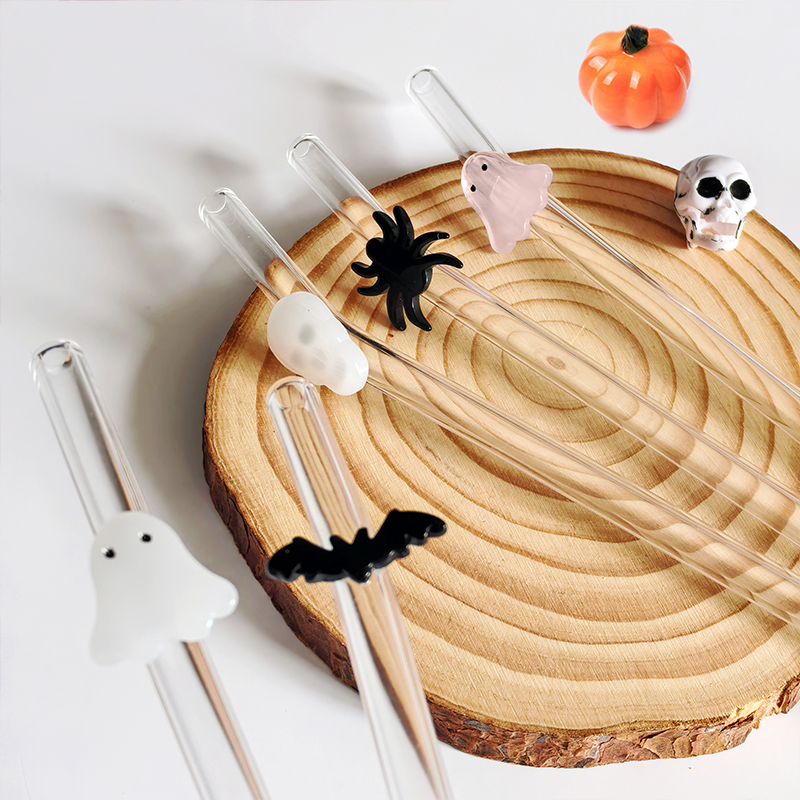
Glass straws are becoming a go to option as people around the world look for greener alternatives to throw away plastics. We're talking about roughly 8 million metric tons of plastic going into our oceans every year, and about 4% of that comes from those little plastic straws we toss after one use (United Nations Environment Programme reported this back in 2022). What makes glass different from regular plastic? Well, it starts with silica sand which is actually considered renewable, plus there are no chemicals mixed in during manufacturing. More folks seem to be catching on too. A recent report from 2023 shows that nearly two thirds of adults care about sustainability when they pick out things like straws for their drinks these days.
How reusable glass straws help reduce single-use plastic pollution
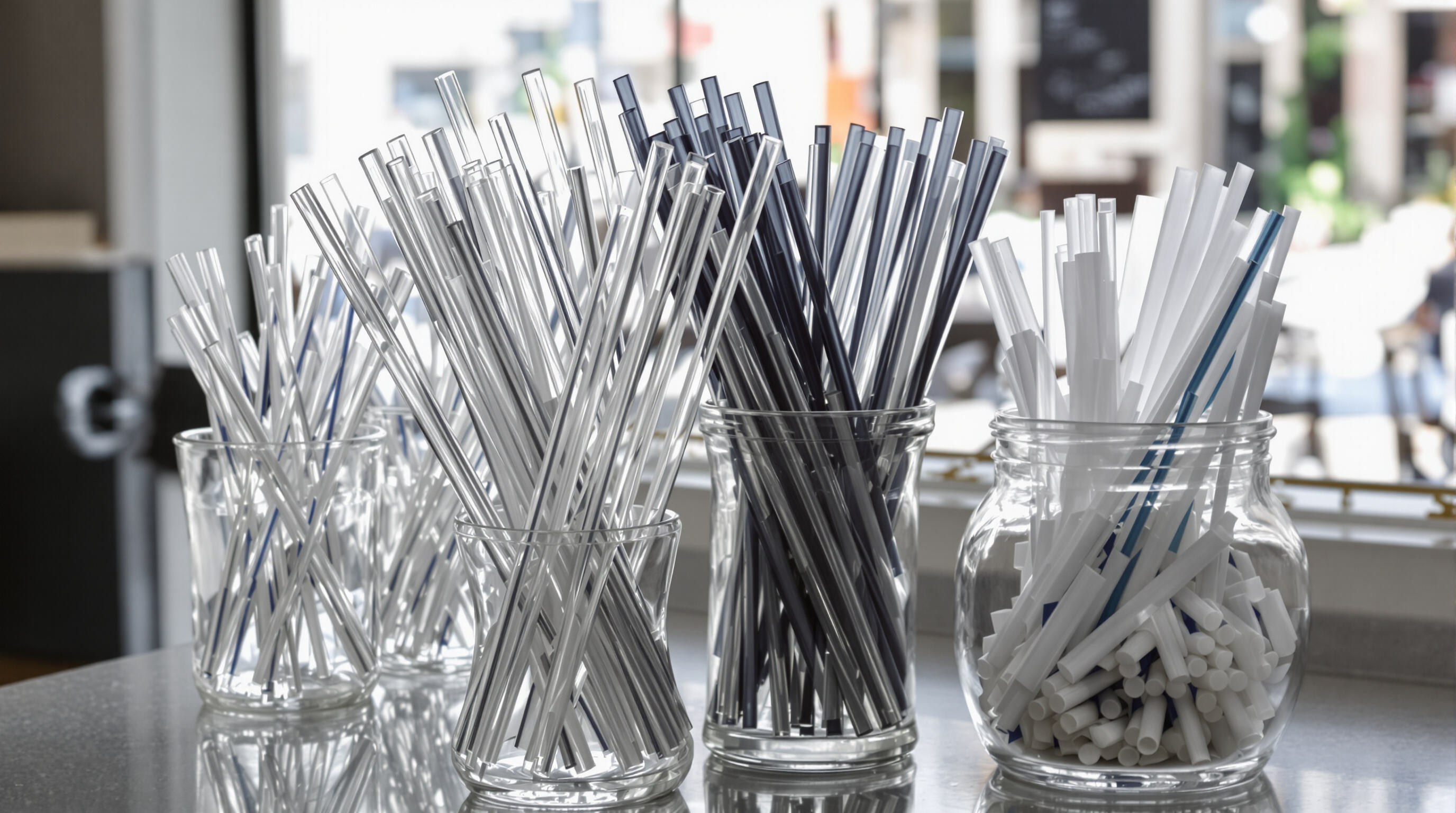
One glass straw can keep around 584 plastic ones out of landfills throughout its roughly five to seven years of use. Businesses switching to glass options saw massive drops in straw waste too. A look at 42 environmentally friendly cafes back in 2022 showed they cut down on straw trash by almost 90% just one year after making the switch. Plus, glass doesn't absorb bacteria like plastic does, which matters because those old plastic straws breaking down in landfills actually contribute to about 12% more microplastic pollution each year. Makes sense why so many places are making this change these days.
Impact on ocean conservation and protection of marine life
Studies indicate that switching to glass straws has helped cut down on plastic ingestion problems for around 7 out of 10 seabird species and about a third of sea turtles dealing with plastic pollution issues. According to recent reports from Ocean Conservancy's cleanup efforts in 2023, there's been roughly a 22 percent drop in cases where straws got tangled around animals in protected coastal areas compared to what was seen back in 2020. Another plus point for glass is how quickly it sinks when dropped into salt water, which means less floating trash cluttering up the ocean surfaces. This makes things much better for over 140 different kinds of aquatic creatures that are already struggling because their habitats are under threat.
Safety and Non-Toxic Advantages of Glass Straws for Daily Use
No Chemical Leaching: Why Glass Is Safer Than Plastic and Synthetic Materials
Glass straws cut down on those health concerns people get worried about with plastic straws. Plastic ones tend to let out stuff like BPA and phthalates, especially if they're heated up somehow. Borosilicate glass just doesn't react chemically no matter how hot it gets, according to that report on material safety from last year. Looking at some data from 2023, around three quarters of folks who took part in a consumer safety survey said they made the switch to glass once they learned their plastic straws might be messing with their drinks by releasing these hormone disrupting chemicals.
Non-Toxic, Inert Composition Ensures Beverage Purity and User Safety
Glass has this great property where its surface doesn't absorb flavors or bacteria, which is why it works so well for things like citrus juice or when drinking something hot. Metal straws sometimes leave that weird metallic aftertaste people notice, but glass just stays neutral on the palate and still complies with those FDA food contact regulations. And for folks with allergies, this matters a lot because glass simply doesn't hold onto residue from earlier drinks. We've all had that experience where we switch from coffee to something else and get an odd taste, right? Glass avoids exactly that problem.
Addressing Common Safety Concerns: Breakage and Handling Myths
Many people worry about breakage when considering glass straws, but today's borosilicate options handle temperature changes up to around 300 degrees Fahrenheit and stand up much better to everyday wear and tear compared to standard soda lime glass. According to industry tests, most glass straws last pretty well if taken care of right, with about 9 out of 10 surviving two full years of regular use. Adding silicone covers or keeping them in protective cases makes things even safer for those who want extra peace of mind. A recent durability check in 2024 found that nearly nine in ten users didn't experience any problems at all while using their glass straws over time.
Real-world performance: How glass straws outlast plastic alternatives
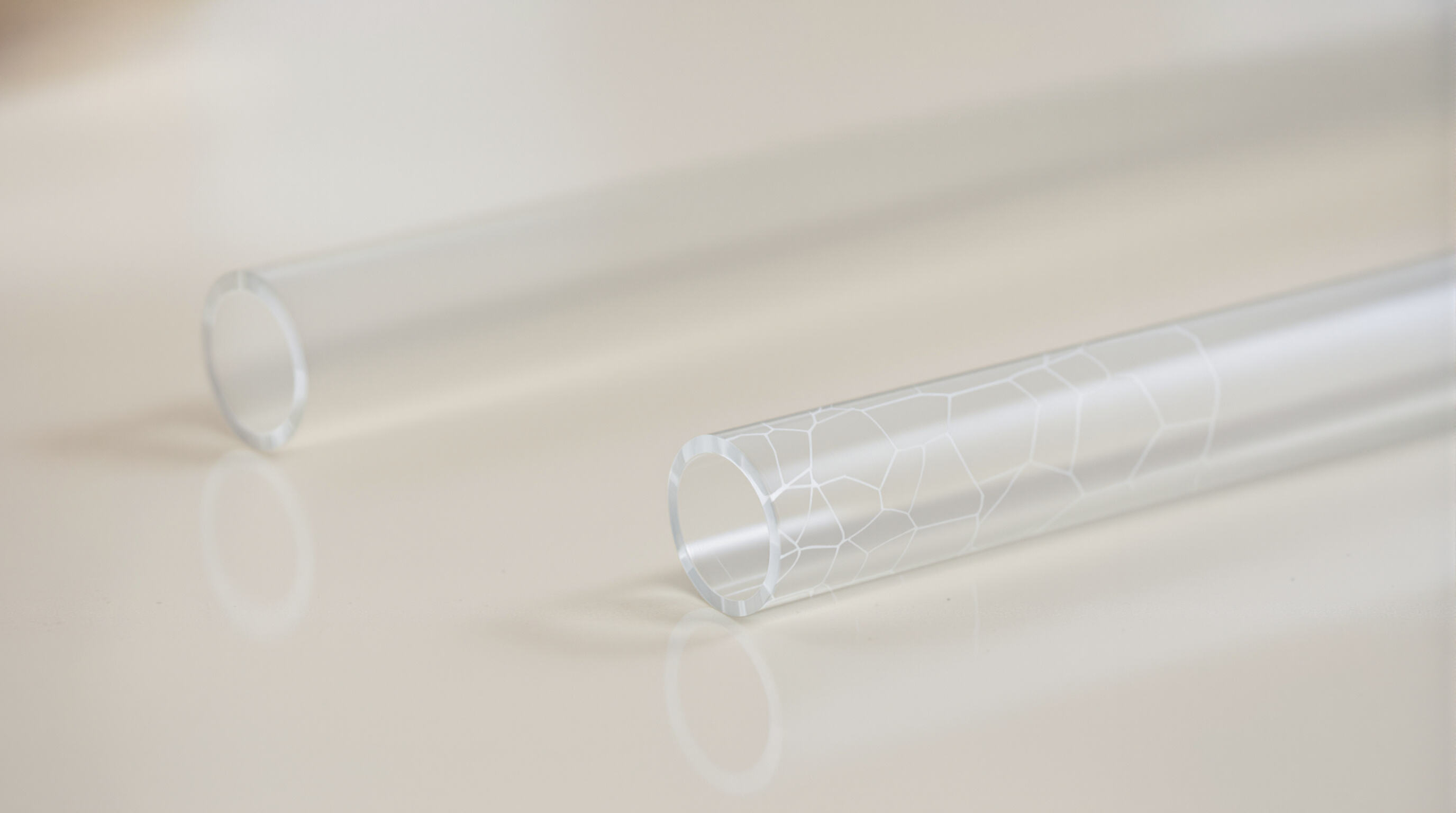
Glass straws last way longer than plastic ones too. We're talking around 10 to 20 times the lifespan actually. Plastic tends to break down pretty quickly, often cracking after just a few weeks of regular drinking from them. But good quality borosilicate glass? That stuff can handle being used every day for years on end without showing signs of wear. Some research published last year looked at this exact thing. The findings were pretty impressive really. After 18 months of constant use, these glass straws kept almost all their original strength and clarity, about 97% according to the report. Meanwhile the plastic versions started developing tiny cracks and harboring bacteria within just two months of similar usage patterns. Makes sense when you think about how different the material properties are between glass and plastic.
Lifespan analysis: Long-term savings with reusable glass straws
| Material | Average Lifespan | Annual Cost (Daily Use) |
|---|---|---|
| Plastic | 2 weeks | $58 |
| Stainless Steel | 3 years | $4 |
| Glass | 5+ years | $2 |
By replacing 200 disposable plastic straws annually, a single glass straw prevents 12 lbs of landfill waste per user while saving $280+ over a decade.
Glass vs metal straws: Taste neutrality, safety, and maintenance differences
While metal straws share glass’s durability, they fall short in key areas: glass doesn’t impart metallic aftertastes common with stainless steel, conducts less heat or cold—reducing burn risks—and resists calcium buildup, allowing thorough cleaning in dishwashers without residue.
Case Study: Durability in home and commercial hospitality environments
A 12-month trial across 42 cafes using glass straws reported a 98.3% survival rate with proper care protocols, zero replacements needed for non-breakage causes, and 89% customer preference over metal or plastic alternatives. Commercial users saved $18 per staff member monthly compared to disposable stock, proving glass straws scale effectively in high-demand settings.
Taste Neutrality and Compatibility Across All Beverage Types
Why Glass Preserves Flavor Better Than Metal, Plastic, or Silicone
The reason glass straws keep drinks tasting like they should is because of their smooth, non-absorbent surface. Plastic tends to soak up smells while metal can leave behind faint metallic tastes, but glass just sits there doing nothing to mess with what's in your cup. According to a study from last year on different drinking materials, people noticed coffee kept its aroma about 23 percent longer when sipped through glass compared to stainless steel. And get this – almost eight out of ten folks who tried silicone straws complained about that weird plastic aftertaste nobody wants. For anyone switching back and forth between tangy orange juice, rich espresso, and delicate green tea throughout the day, glass straws really do prevent those unwanted flavor mix ups that happen with cheaper alternatives.
Ideal for Use in Homes, Cafes, and Restaurants With Diverse Drink Menus
Materials for drinkware that don't affect taste let beverages taste just as they should. This same idea applies to straws too. According to some studies published in Fresh Cup Magazine, surfaces that don't react with liquids help maintain consistent flavors whether drinking something hot, cold, or fizzy. That's probably why so many specialty coffee places are starting to offer glass straws next to their ceramic cups these days. About two thirds of these shops have made the switch, which means customers can sip on everything from strong espresso shots to fruity smoothies without any strange aftertastes messing up the original flavor.
Hygiene, Cleaning, and Sustainable Maintenance Practices
Easy Cleaning Techniques and Essential Tools for Daily Care
Glass straws simplify maintenance with dishwasher-safe convenience and manual cleaning options. A basic toolkit—straw brushes, mild dish soap, and warm water—removes residue efficiently without harsh chemicals. Unlike silicone or metal alternatives, glass resists odors and doesn’t require specialized cleaners.
Preventing Mold and Bacterial Growth with Proper Cleaning Routines
A 2023 NSF International study found reusable straws harbor 20% fewer pathogens when cleaned immediately after use. Air-dry glass straws vertically in open air to prevent moisture buildup, and store them in breathable fabric sleeves. Weekly sanitizing with boiling water eliminates 99.9% of microbes without compromising material integrity.
Balancing High Hygiene Standards with Real-World User Behavior
While 78% of consumers prioritize eco-friendly products (Green Living Index 2024), 43% admit skipping proper cleaning when rushed. Simplifying routines—like keeping straw brushes near sinks or using portable UV sanitizers—helps users maintain consistency.
Recommended Cleaning Protocols for Personal and Commercial Use
Home users benefit from daily rinsing and weekly deep cleans, while cafés should implement sustainable cleaning systems aligned with NSF food safety standards. Commercial kitchens using glass straws report 30% fewer replacements than plastic equivalents when adopting glass-specific care checklists.
FAQ Section
Why are glass straws becoming popular?
Glass straws are increasingly popular for being eco-friendly and devoid of chemicals, unlike plastic alternatives which contribute substantially to oceanic pollution.
How many plastic straws does one glass straw replace?
One glass straw can replace around 584 plastic straws throughout its lifespan of about five to seven years.
Do glass straws impact the taste of beverages?
Glass straws do not absorb flavors or impart any aftertaste, preserving the original flavor of any beverage.
How should glass straws be cleaned?
Glass straws can be easily cleaned with straw brushes, warm water, and mild dish soap. They are also dishwasher-safe.
Table of Contents
- Understanding the shift from plastic to sustainable drinking tools
- How reusable glass straws help reduce single-use plastic pollution
- Impact on ocean conservation and protection of marine life
- Safety and Non-Toxic Advantages of Glass Straws for Daily Use
- Real-world performance: How glass straws outlast plastic alternatives
- Lifespan analysis: Long-term savings with reusable glass straws
- Glass vs metal straws: Taste neutrality, safety, and maintenance differences
- Case Study: Durability in home and commercial hospitality environments
- Taste Neutrality and Compatibility Across All Beverage Types
- Hygiene, Cleaning, and Sustainable Maintenance Practices
- FAQ Section

