 EN
EN

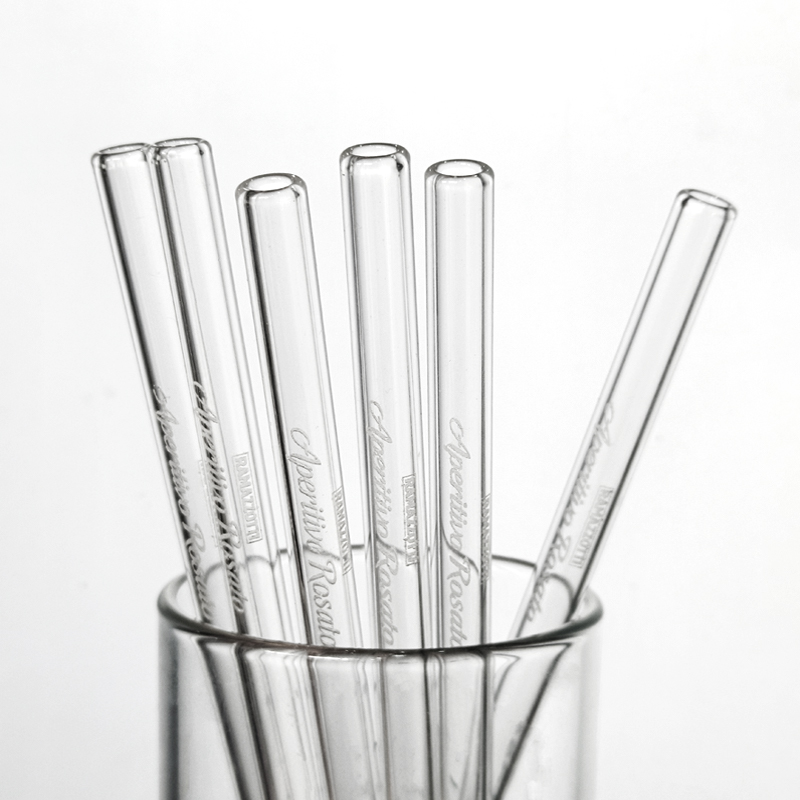
The Environmental Cost of Single-Use Plastic Straws
Plastic Straw Pollution and Its Impact on Marine Life
Every year, around 8 billion plastic straws find their way into our oceans, where they hang around for hundreds of years since they won't break down naturally. These flimsy little things are actually listed in the top ten most common trash items found in the sea, and they're causing real problems for over 800 different kinds of sea creatures who either eat them or get tangled up in them. The Ocean Conservancy did some important research back in 2025 that showed plastic straw pieces turned up in nearly nine out of ten dead seabirds they examined. We've all seen those heartbreaking photos of sea turtles with straws stuck in their noses, which can be deadly for these animals. What's even more concerning is that tiny bits of plastic coming from broken down straws have been found in 94 percent of tap water tests worldwide. That means what happens in our oceans isn't staying there it ends up right back on our tables.
Global Warming Potential (GWP) of Straw Materials
Although plastic straws make up just 4% of single-use plastic waste, their production emits 1.5–5.8g CO₂ equivalents per unit—40% more than glass alternatives. Comparative life cycle data reveals significant differences:
| Material | GWP (kg CO₂ eq/1k straws) | Decomposition Time |
|---|---|---|
| Plastic (PP) | 1,320 | 450 years |
| Paper | 980 | 6 months |
| Borosilicate Glass | 720 | Infinite reuse |
| Bamboo | 850 | 2 years |
Source: 2025 LCA study published in Polymers journal. Glass straws have a higher initial production footprint but achieve lower lifetime emissions due to durability and potential for over 5,000 reuse cycles.
Life Cycle Assessment (LCA) of Drinking Straws
When looking at the whole lifecycle of products, we need to consider everything from where materials come from, how they're made, transportation, actual usage, and what happens when they get thrown away. Plastic straws might seem harmless since they take about 0.03 kWh of energy each, but when we look at the big picture, their total environmental footprint ends up being around 93% worse than those reusable alternatives out there. Glass straws actually become carbon neutral after someone uses them about 15 times, plus they can go right into recycling bins instead of ending up in landfills. On the flip side, both bamboo and silicone straws drink up way more water during cleaning cycles - talking about 18 liters versus just 5 liters for glass. And let's not forget longevity either. Glass straws can stick around for over 10 years, whereas silicone versions tend to wear out much faster, usually lasting only about 3 years before needing replacement.
Why Glass Drinking Straws Are a Sustainable Choice
Environmental Benefits of Reusable Glass Straws
Glass straws that can be reused over and over again cut down our dependence on those disposable plastic ones we all hate seeing littering beaches and filling landfills. Just think about this number from Ocean Conservancy released last year: one good quality borosilicate glass straw could actually take the place of around 584 plastic straws every single year. Pretty impressive when you break it down like that. And if we look at how these things are made compared to regular plastic straws, there's another big difference worth noting. Manufacturing processes for glass produce roughly 72 percent less greenhouse gases than what happens during plastic production, according to research published in 2023 looking at their entire lifecycle from start to finish. The best part? These glass straws don't wear out after a few uses either. They keep working perfectly fine for years on end, making them not only environmentally friendly but also practical for everyday use at home or when dining out.
End-of-Life Disposal and Recyclability of Glass Straws
Glass straws made from borosilicate can be recycled again and again without losing their quality, which stands in sharp contrast to regular plastic where just around 9 percent gets recycled worldwide. When these glass straws reach the end of their useful life, they simply break down into harmless sand-like particles called silica, something that doesn't pose any danger to our environment or wildlife habitats. Research published by UCLA back in 2023 showed that glass straws barely register on the toxicity scale at all, scoring almost nothing compared to plastic which clocks in at a worrying 8.3 out of 10 for how bad it is for nature.
Comparison of Glass Straws vs. Single-Use Plastic, Bamboo, and Silicone
| Material | Avg. Lifespan | Carbon Footprint (kg CO₂/unit) | Recyclability |
|---|---|---|---|
| Glass | 10+ years | 0.12 | Infinite |
| Plastic | 1 use | 0.03 | 9% |
| Bamboo | 6–18 months | 0.08 | Compostable |
| Silicone | 3–5 years | 0.21 | 23% |
Glass outperforms bamboo in lifespan (up to 5x longer) and silicone in emissions, with a 43% lower global warming potential.
Controversy Analysis: Are Reusable Straws Always Better for the Environment?
Some people say reusable straws need to be used around 15 to 20 times before they actually make sense from an environmental standpoint because of how much energy goes into making them initially. But studies published in reputable journals show that glass straws start balancing out their environmental costs after just about 30 days if someone uses them regularly. The real issue comes down to how much water it takes to clean them. When washed by hand, each glass straw cleaning session uses roughly 0.2 liters of water, which is four times what goes into washing away a single-use plastic alternative. Still, looking at the bigger picture, this amount pales in comparison to all the resources required to manufacture fresh plastic straws every day across the world.
Durability, Safety, and Material Advantages of Borosilicate Glass
Superior Durability and Reusability of Borosilicate Glass Straws
Borosilicate glass straws can handle pretty drastic temperature changes, going all the way up to around 330 degrees Fahrenheit (about 170 Celsius) without breaking, which makes these straws work great for everything from piping hot coffee to ice-cold smoothies according to research from SafeCoze on thermal resistance. Tests done in labs have shown these glass straws stay strong and intact for over five years even when used every day, which beats out both plastic and bamboo options hands down. And if we look at environmental impact, a study published in 2023 found that using one of these glass straws repeatedly cuts down carbon emissions by almost 92 percent compared to constantly throwing away plastic ones. That's a massive difference for our planet.
Non-Toxic Material Composition and Health Safety
Borosilicate glass doesn't contain BPAs, phthalates or those pesky chemical coatings that can break down over time, so there's no need to worry about health issues related to plastic degradation. The material has a smooth surface that bacteria and mold just cant seem to stick to. Silicone and bamboo containers are different though they tend to hold onto moisture and might release strange compounds after repeated use. Most serious manufacturers stick to food grade materials that meet FDA requirements and EU standard 10/2011 when making products that actually touch food. Its pretty much industry standard these days for anyone who wants their kitchenware safe enough for daily meals.
How Glass Compares to Plastic, Bamboo, and Silicone in Performance
| Material | Durability (Years) | Max Temp Tolerance | Chemical Leaching Risk |
|---|---|---|---|
| Borosilicate Glass | 5+ | 500°F (260°C) | None |
| Plastic | 0.5 | 175°F (79°C) | High (BPAs) |
| Bamboo | 1-2 | 212°F (100°C) | Moderate (Tannins) |
| Silicone | 3-4 | 428°F (220°C) | Low (Plasticizers) |
Biodegradable and Eco-Friendly Straw Alternatives Overview
Paper and wheat straws might break down in just a few weeks, but they only last about two weeks before needing replacement, which means people keep buying them over and over again. Glass straws completely sidestep this problem since they can be reused forever. Think about it one single glass straw actually takes the place of around 584 plastic ones each year. That's pretty impressive when you consider how many straws end up in landfills. For folks really committed to living without waste, borosilicate glass seems like the best choice out there. It's safe to use, lasts ages, and doesn't hurt the environment much at all. Plus, unlike those paper straws that get soggy after a minute, glass stays firm no matter what drink someone orders.
Cleaning, Maintenance, and Long-Term Sustainability
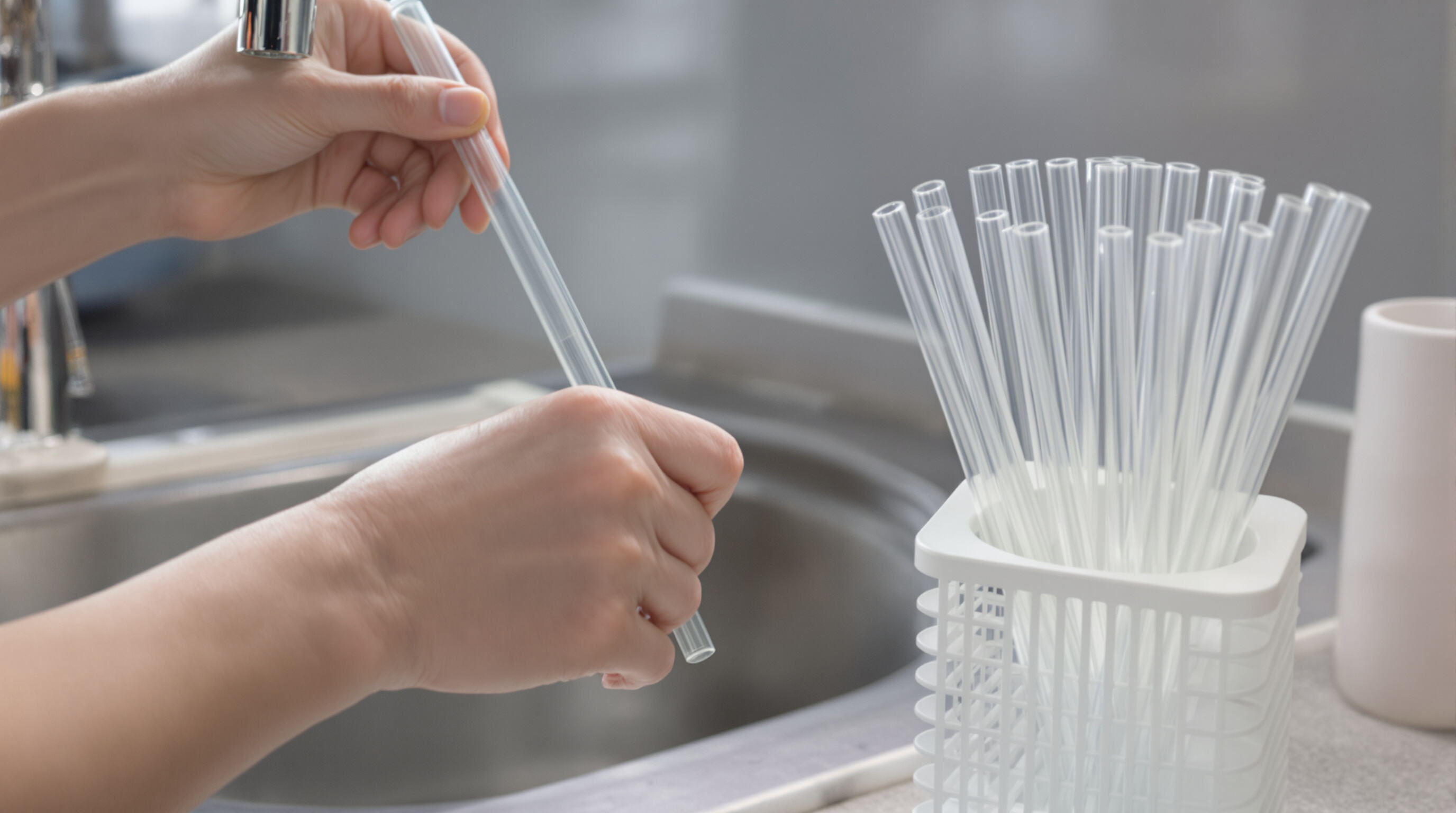
Proper cleaning techniques for glass drinking straws
Glass straws last longer when cleaned properly after every use. Grab a narrow brush, some warm water, and gentle dish soap to get them spotless. If there's stubborn residue stuck on, try soaking them in a mixture of one part white vinegar to three parts water for about 20 minutes. Never use anything abrasive like steel wool because it will scratch up those delicate surfaces. According to research published in Environmental Health Journal back in 2023, people who follow these cleaning steps end up with 90% less microbial buildup than folks who just rinse their straws under running water.
Preventing mold and ensuring hygiene with reusable straws
Ensure complete drying by storing straws upright in a ventilated holder. In households with children or compromised immunity, weekly boiling effectively sterilizes glass straws. A 2024 microplastic and hygiene study found well-maintained reusables harbor 73% fewer microbes than poorly cleaned plastic counterparts.
Water and energy use in cleaning reusable straws
Daily washing of glass straws consumes approximately 0.2 gallons of water (assuming two uses), representing just 4% of the water required to manufacture a single plastic straw. Energy and environmental costs can be further reduced by air-drying and washing alongside other dishes.
Industry Paradox: High maintenance vs. long-term sustainability
Although reusable straws require about 15% more weekly effort than disposables, lifecycle analyses consistently show net environmental benefits. One glass straw replaces over 580 plastic units annually. Manufacturers are responding to consumer demand, with 68% of buyers citing ease of maintenance as a key factor in sustainable purchases (Circular Economy Report 2024).
Market Trends and Consumer Shift Toward Zero-Waste Accessories
Growing consumer demand for zero-waste lifestyle products
Interest in sustainable alternatives like glass drinking straws has increased by 112% since 2022, fueled by environmental awareness and social media advocacy. A 2025 survey found that 72% of eco-conscious consumers prefer durable, reusable options over disposables, driven by three main factors:
- Waste reduction goals (58% cite plastic-free living as their top motivation)
- Aesthetic appeal (glass ranks highest in design preference surveys)
- Long-term cost savings (one glass straw replaces 800+ plastic versions)
This trend aligns with broader market expansion—the global zero-waste accessories sector is projected to reach $12.4 billion by 2026, growing at a CAGR of 18.2% (Grand View Research 2024).
The rise of sustainable alternatives in the beverage accessories market
Glass straws now capture 34% of the eco-friendly straw market, surpassing bamboo (28%) and silicone (22%). Key advantages driving adoption include exceptional lifespan, high recycling rate, and premium consumer perception:
| Factor | Glass Straws | Plastic Straws |
|---|---|---|
| Average lifespan | 5+ years | Single use |
| Recycling rate | 98% | 9% |
| Consumer perception | Premium | Disposable |
This shift supports the 2025 UNEP directive calling for a phaseout of single-use plastics, opening a $740 million annual opportunity in sustainable beverage accessories (Circular Economy Report 2024).
FAQs
Why are plastic straws considered harmful to the environment?
Plastic straws do not decompose naturally and contribute to marine pollution, impacting sea life and ultimately affecting human resources such as drinking water.
How do glass drinking straws compare to plastic in terms of environmental impact?
Glass straws have a lower carbon footprint over their lifetime, can be reused infinitely, and produce significantly fewer greenhouse gases compared to plastic straws.
Are glass straws safe for use with hot beverages?
Yes, borosilicate glass straws can withstand temperatures up to 330 degrees Fahrenheit, making them suitable for both hot and cold drinks.
How should glass straws be cleaned for maximum hygiene?
They should be cleaned using warm water, gentle dish soap, and a narrow brush. For tougher residues, soak them in a vinegar-water mix.
Table of Contents
- The Environmental Cost of Single-Use Plastic Straws
- Why Glass Drinking Straws Are a Sustainable Choice
- Durability, Safety, and Material Advantages of Borosilicate Glass
- Superior Durability and Reusability of Borosilicate Glass Straws
- Non-Toxic Material Composition and Health Safety
- How Glass Compares to Plastic, Bamboo, and Silicone in Performance
- Biodegradable and Eco-Friendly Straw Alternatives Overview
- Cleaning, Maintenance, and Long-Term Sustainability
- Market Trends and Consumer Shift Toward Zero-Waste Accessories
- FAQs

