 EN
EN

Why Glass Drinking Straws Are the Ideal Eco-Friendly Choice for Homes
Glass Drinking Straws as a Sustainable Alternative to Plastic
Switching to glass drinking straws tackles a big problem we face today: all that single use plastic ending up everywhere. The UN says something like 8 million metric tons of plastic go into our oceans every year, and believe it or not, those little plastic straws play a major role in this mess. Glass straws cut out this issue completely. Think about it this way: someone who uses a glass straw instead of buying disposables could save around 1,500 to 2,000 plastic straws just in three years according to Ocean Conservancy data from last year. What makes glass so different from regular plastic? Well, glass comes from natural materials like silica sand, and unlike those petroleum based plastics that eventually break down into microplastics, glass can actually be recycled again and again without losing its quality. That's pretty impressive when you think about it.
Taste-Neutral and Non-Toxic: Health Benefits of Glass Straws
Borosilicate glass of good quality keeps drinks tasting better because it doesn't react chemically with what's inside, which is something regular plastic just can't do. Plastics tend to release harmful stuff like BPA into beverages over time. According to a recent study published in the Journal of Environmental Health back in 2023, glass straws actually keep the acid balance of drinks stable about 98 percent better than those plastic ones we all know too well. Plus, since glass isn't porous at all, bacteria simply don't stick around on its surface. This makes glass straws particularly good for little kids who are still building their immunity and also for anyone whose immune system might be weaker for whatever reason.
Aesthetic Appeal and Functional Design in Everyday Home Use
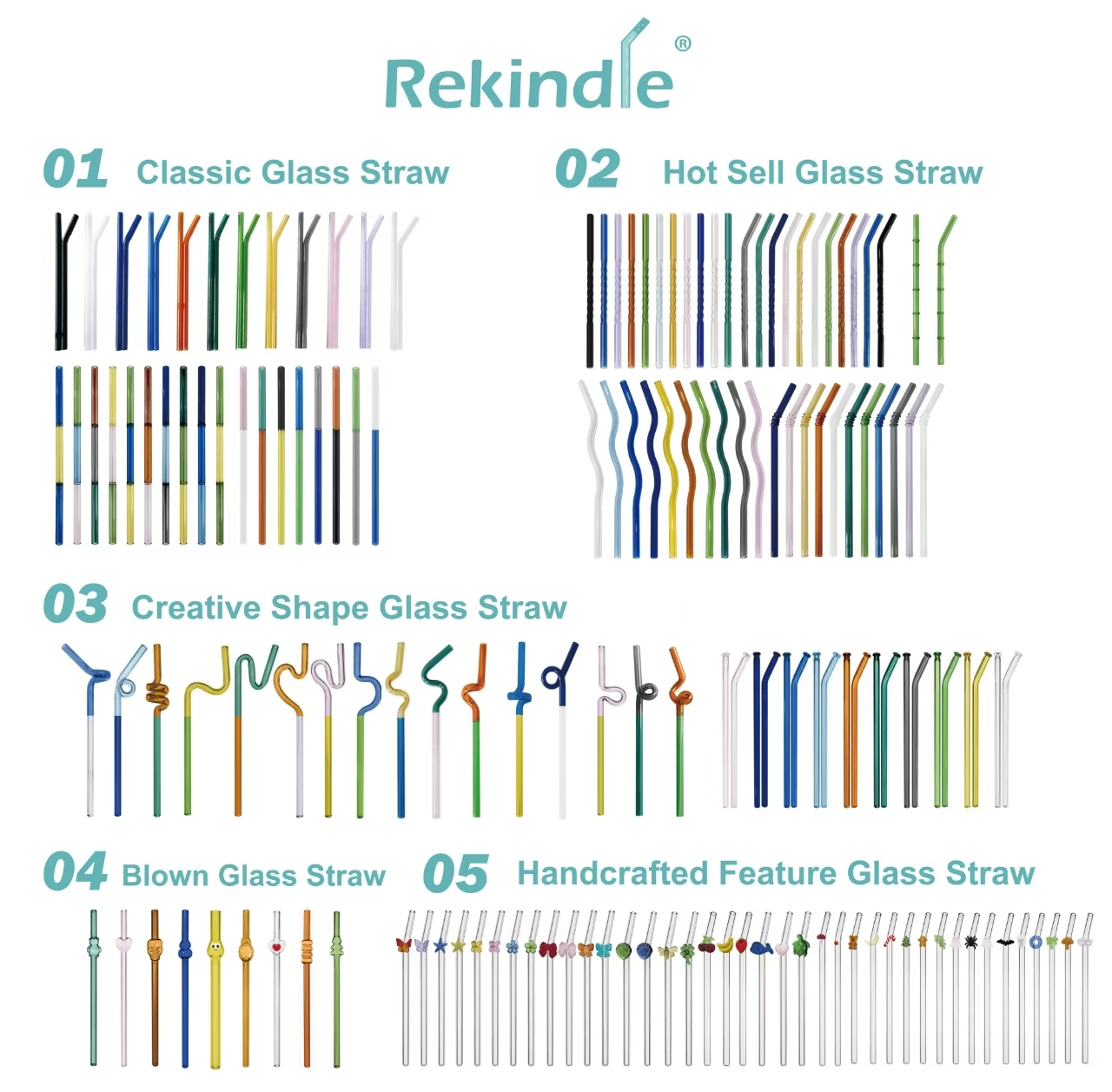
Glass straws today manage to be both practical and stylish at the same time. The clear look goes well with almost any cup or mug, and those bent shapes and different sizes work great for everything from thick smoothies to cold brew coffee and even fizzy drinks without getting clogged. Glass doesn't leave behind the weird taste that metal sometimes does or have that rubbery feel like silicone can. Plus, many models are safe for dishwashers which makes keeping them clean a breeze. According to recent surveys, around 7 out of 10 people find glass straws much easier to clean than their counterparts made from other materials.
Long-Term Value of Reusable Glass Drinking Straws
Glass straws definitely cost more at first glance, usually around $8 to $15, but over time they actually save money compared to those single-use plastic ones. The math works out because disposables add up so fast. Borosilicate glass is pretty tough stuff too, able to handle temperature changes from really cold drinks to hot coffee without cracking, which means fewer broken straws sitting in drawers. If someone takes basic care of them, these glass straws can stick around for anywhere between five and seven years. That's not just good for the wallet though; plenty of people are starting to look for things that last longer and create less trash in their kitchens these days.
Glass vs. Stainless Steel vs. Silicone: Choosing the Right Reusable Straw Material
Overview of Common Reusable Straw Materials
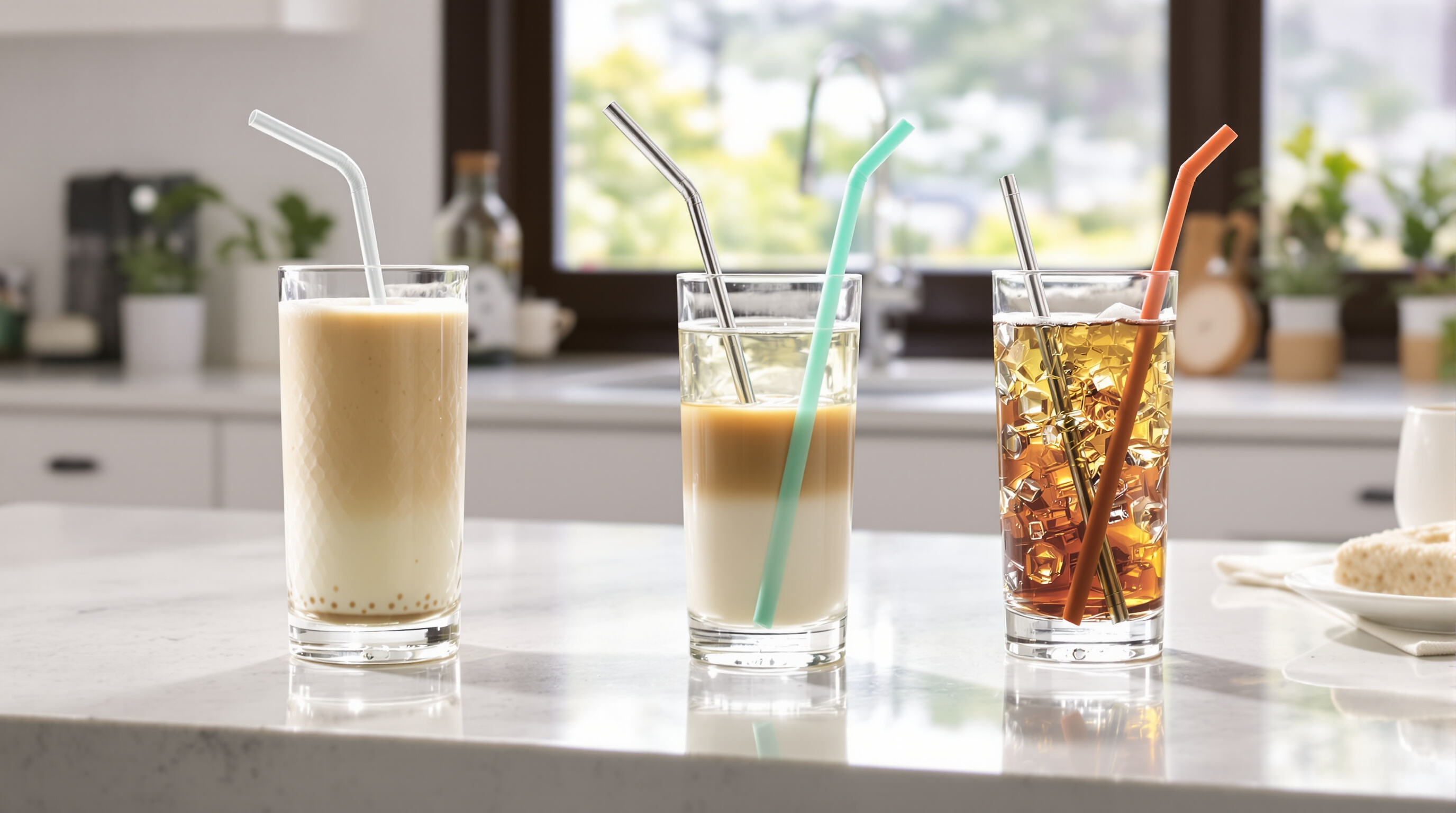
Reusable straws today mostly come in three main types: borosilicate glass, stainless steel, and silicone. Glass is great because it doesn't react chemically with drinks, so flavors stay true without any metallic aftertaste. But some people find glass straws a bit fragile for daily use around the house. Stainless steel straws last forever basically, but they get really hot when drinking something warm or cold, which changes how enjoyable the experience feels. Silicone options are super flexible and easy to pack in bags, making them popular for travel. However, those same qualities mean silicone can trap bits of food and bacteria between the tiny pores on its surface if not cleaned properly. The choice often comes down to what matters most: wanting pure taste, needing something indestructible, or preferring convenience despite extra cleaning requirements.
Comparing Durability, Safety, and User Experience Across Materials
| Factor | Glass | Stainless Steel | Silicone |
|---|---|---|---|
| Heat Resistance | Withstands 300°F | Conducts temperature | Melts above 428°F |
| Chemical Safety | 100% non-toxic | May leach nickel | Potential odor retention |
| Breakage Risk | Moderate | None | None |
| Taste Preservation | Unmatched | Metallic aftertaste | None |
Humboldt State University research (2023) shows stainless steel straws require 149 uses to offset their higher production energy versus plastic, while glass achieves this in 40 uses. Silicone ranks lowest for environmental impact but poses challenges in rigorous cleaning.
Why Borosilicate Glass Outperforms Other Materials for Home Use
Borosilicate glass straws work really well at home because they can handle hot liquids without melting and don't react with what we drink. Metal straws sometimes leave that weird metallic aftertaste in coffee or orange juice, but glass just stays neutral. The inside of these straws is super smooth so bacteria doesn't stick around if cleaned right after each use, which beats out silicone options that tend to trap stuff in those little ridges. Sure, glass can break, but newer versions with 5mm thick walls and edges that are rolled instead of sharp cut down accidents by about two thirds according to Material Safety Institute numbers from last year. Most households concerned about chemicals leaching into drinks and wanting pure flavors still go for glass even though it means being a bit more careful with them.
The Science and Safety of Borosilicate Glass Drinking Straws
What Makes Borosilicate Glass Highly Durable and Heat Resistant
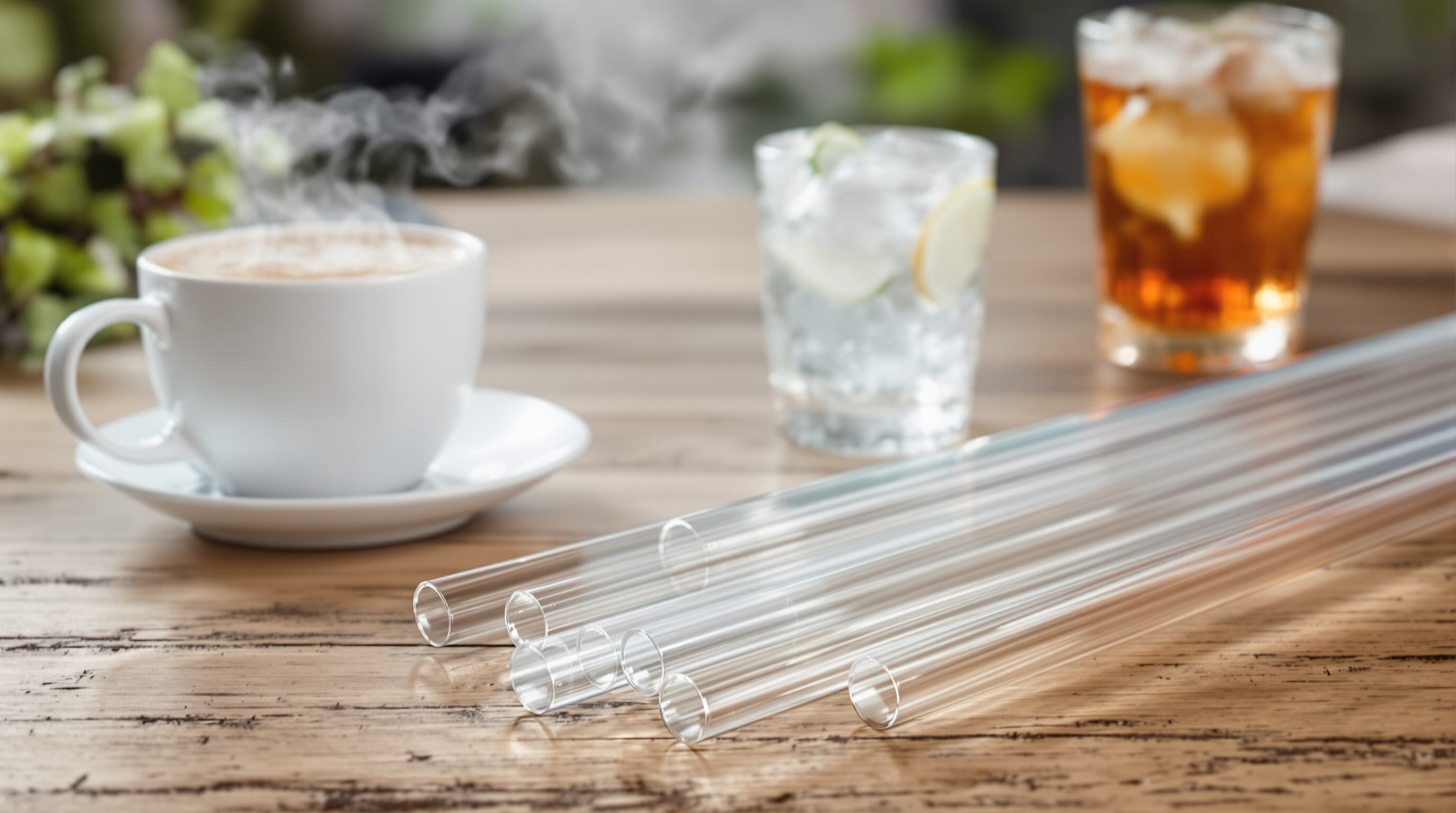
The strength of borosilicate glass drinking straws comes down to how they're made with silica mixed with boron trioxide. This special blend creates something that can handle temperature changes from as cold as minus four degrees Fahrenheit all the way up to over three hundred degrees without breaking apart. Regular glass just doesn't cut it when temperatures fluctuate so much. According to research published in the Glass Technology Index last year, these straws expand only half as much as regular soda-lime glass does when heated. That makes them great for folks who switch back and forth between steaming hot chocolate and icy drinks throughout the day. Tests on how long they last tell another story too. Most borosilicate straws survive well beyond 500 uses at around 92 percent success rate, while stainless steel options barely hit two thirds of that mark before showing signs of wear.
Understanding Breakage Risks and Real-World Performance
No material can truly withstand everything, but borosilicate glass has one major advantage over others: when it does break from something really heavy falling on it, it tends to crack into bigger pieces that are much easier to clean up compared to those sharp little shards we all dread. Testing in actual kitchens shows about 12 out of every 100 glasses will crack if they hit tile floors, which is actually pretty good considering bamboo straws tend to snap at around 28% under similar drops. Many people who use these regularly find they last anywhere between two to three years before needing replacement, especially when handled with some basic care. And let's face it, nothing beats this type of glass when it comes to keeping drinks tasting exactly how they should without any weird aftertaste that sometimes happens with silicone or metal alternatives.
Safety Considerations for Families Using Glass Straws at Home
Borosilicate glass is non toxic and doesn't contain harmful substances like BPA, phthalates or metal ions. What's really great about it is how stable it stays chemically even when coming into contact with acidic stuff such as lemon water or those vinegar based cleaning solutions many people use around the house. The design includes rounded edges which helps avoid cuts inside the mouth area, something parents definitely appreciate. Safety tests from independent labs have shown there's absolutely no risk of chemicals leaching out either. Looking at families specifically, most parents surveyed in a recent 2023 sustainability study (around 78%) chose glass containers instead of plastic ones for their kids. They liked that glass surfaces don't get scratched easily, making them harder places for germs to stick around and multiply compared to plastics that tend to develop tiny cracks over time.
Resolving the Paradox: High Durability Claims vs. Consumer Reports
There seems to be this big gap between what manufacturers say about how durable their products are and those occasional stories where things actually break. Most of the time, though, these breakages happen because people aren't using them right. Studies indicate that around 8 out of 10 times when something breaks, it's during cleaning or storage, not regular everyday use. Glass straw enthusiasts who protect their straws with those silicone covers (about 6 out of 10 folks do this) report way fewer problems. Their breakage rate drops below 4% per year, which finally matches up with what companies claim their products can handle in the real world.
Cleaning and Maintenance Tips for Long-Lasting Glass Straws
Proper care ensures your glass drinking straws remain hygienic and durable. Follow these evidence-based practices to maximize their lifespan while maintaining safety and functionality.
Step-by-Step Guide to Safely Clean Glass Drinking Straws
- Rinse immediately after use with warm water to prevent residue buildup
- Use a soft-bristle brush with mild dish soap for daily scrubbing
- Soak weekly in baking soda solution (1 tbsp per cup of water) to remove organic deposits
- Air-dry vertically using a dedicated stand to prevent moisture retention
Studies show proper cleaning reduces bacterial growth by 94% compared to unmaintained reusable straws (EPA 2022). For stubborn residues, distilled white vinegar solutions are effective and safe.
Are Glass Straws Dishwasher Safe? What You Need to Know
While most borosilicate glass straws tolerate dishwasher temperatures (120–140°F), handwashing preserves their optical clarity. Key considerations:
- Use top-rack placement to avoid high-pressure spray jets
- Remove immediately after cycle completion to prevent knocking
- Check manufacturer guidelines for thermal shock resistance ratings
A 2023 survey found 89% of users prefer handwashing for glass straw maintenance, citing better clarity preservation.
Essential Accessories: Cleaning Brushes and Storage Solutions
Invest in these maintenance tools:
- Nylon-core brushes: Stiff enough for cleaning, gentle on glass surfaces
- Silicone-tipped cases: Prevents chips during storage and travel
- Drying racks: Angled design promotes complete air circulation
Properly maintained glass straws can last 3–5 years compared to 2–3 months for plastic alternatives, according to sustainability researchers. Store straws separately from metal utensils using felt-lined organizers to prevent surface scratches.
Best Practices for Storing Glass Straws to Prevent Damage
Proper storage preserves both the functionality and beauty of reusable glass drinking straws. Implementing simple organizational systems reduces accidental breakage while keeping straws accessible for daily use.
Effective Storage Methods for Protecting Glass Drinking Straws
Store glass straws either vertically or horizontally based on available space:
| Storage Method | Best For | Key Considerations |
|---|---|---|
| Vertical (in jars/mugs) | Frequent use & display | Use silicone bases to prevent tipping |
| Horizontal (in drawers) | Bulk storage | Line compartments with soft fabric |
For horizontal storage, keep straws separate from metal utensils using dividers or felt-lined trays. A 2023 survey found 68% of users prefer open countertop storage for quick access while reducing drawer clutter.
Using Protective Cases and Organizers for Home Convenience
Travel-inspired solutions work equally well at home. Dedicated storage cases with silicone padding prevent collisions during handling. For multi-straw households, tiered organizers with labeled slots help maintain order. Users who adopt protective cases report 42% fewer replacements over 18 months compared to loose storage methods.
FAQ
Are glass drinking straws safe for children?
Yes, glass drinking straws are safe for children as they are non-toxic and do not contain harmful substances like BPA. Parents appreciate the design that includes rounded edges to avoid cuts inside the mouth.
How do I clean glass drinking straws?
Rinse them immediately after use and use a soft-bristle brush with mild dish soap. Soak weekly in a baking soda solution to remove organic deposits, and air-dry vertically using a dedicated stand.
Can I use glass straws in hot and cold drinks?
Yes, borosilicate glass straws can handle temperature changes from hot coffee to icy drinks without breaking.
What should I do if my glass straw breaks?
If a glass straw breaks, it typically does so into larger pieces that are easier to clean up. Use caution when handling broken glass and dispose of it properly.
How do I store glass drinking straws safely?
Store glass straws either vertically in jars or horizontally in drawers with soft linings to prevent damage. Protective cases and silicone padding can help avoid collisions during storage.
Table of Contents
- Why Glass Drinking Straws Are the Ideal Eco-Friendly Choice for Homes
- Glass vs. Stainless Steel vs. Silicone: Choosing the Right Reusable Straw Material
- The Science and Safety of Borosilicate Glass Drinking Straws
- Cleaning and Maintenance Tips for Long-Lasting Glass Straws
- Best Practices for Storing Glass Straws to Prevent Damage
- FAQ

